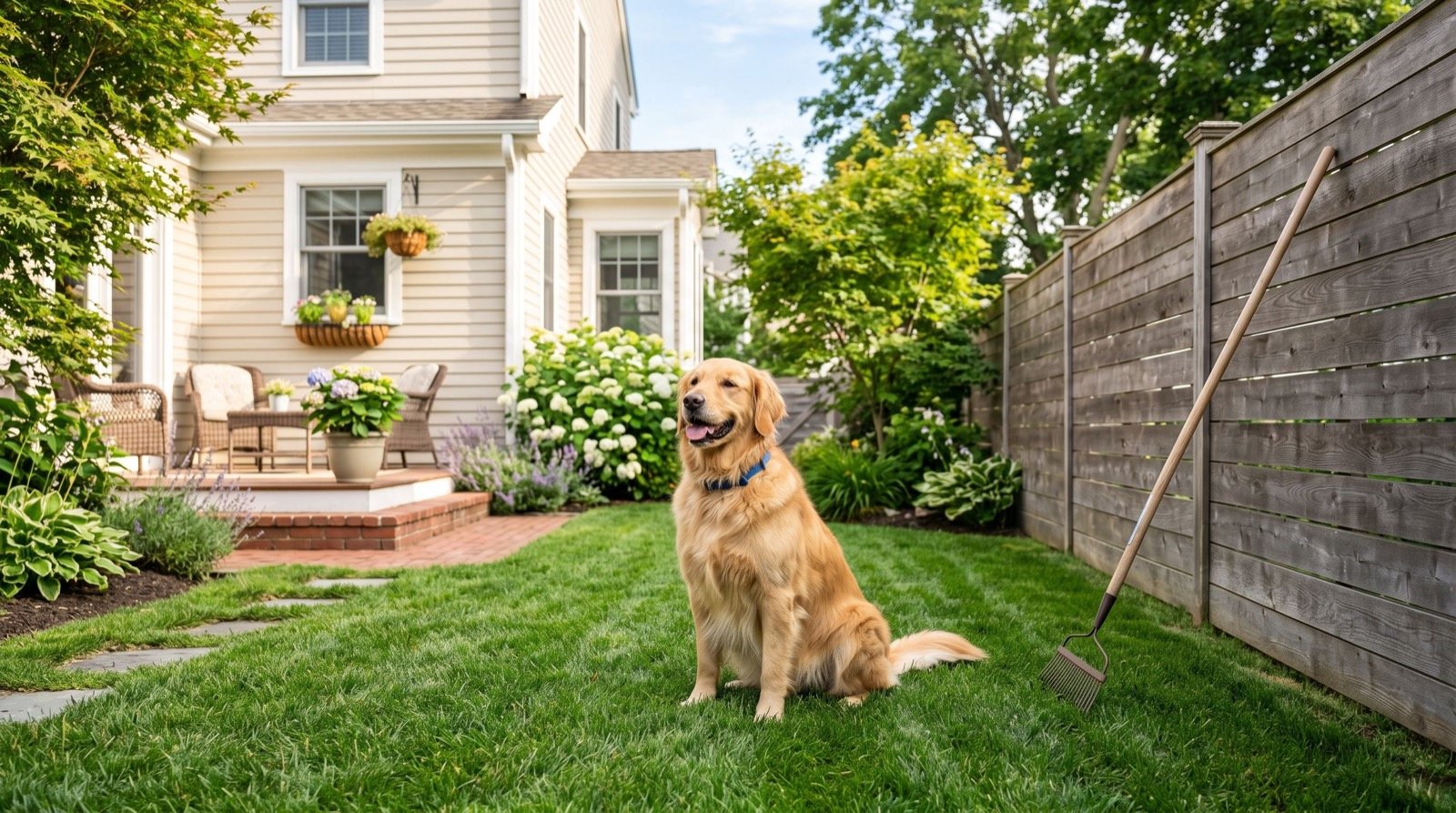
A clean backyard starts with the humble dog poop bag and a reliable routine, yet most owners underestimate how quickly waste piles up. A single medium dog produces roughly 275 pounds of waste every year, and in a shared yard that mess turns into brown patches, flies, and lingering odor within days. In 2026, smart pet parents treat yard cleanup like any other home-maintenance task: scheduled, tooled, and done right the first time. This guide lays out a repeatable system so your lawn stays green, your family stays healthy, and your weekends stay free.
Whether you own a sprawling suburban lot or a compact townhouse garden, the principles are the same. Pick up often, use the right gear, and dispose of waste responsibly. Below you will find a practical framework built from real cleanup experience, plus the tools that make the job faster.
Why a Consistent Dog Poop Bag Routine Protects Your Yard
Waste left on grass does more than look bad. It burns the lawn with concentrated nitrogen, attracts pests, and washes bacteria into storm drains after rain. The U.S. Environmental Protection Agency classifies pet waste as a nonpoint source pollutant that can carry harmful pathogens into local waterways. You can read the agency’s guidance directly on the EPA site, which underscores why prompt removal matters for both your yard and your neighborhood.
The hidden cost of “I’ll get it later”
Every day you skip cleanup, the job gets harder. Fresh waste is easy to scoop; weathered waste crumbles, sticks to grass, and multiplies the surface area you must clean. A daily two-minute pass beats a dreaded weekend marathon every single time.
Building a Weekly Yard Cleanup Schedule
Consistency is the secret ingredient. A schedule removes the mental load of deciding when to clean and turns the chore into an automatic habit. Match your frequency to your dog count and yard size.
| Household | Cleanup Frequency | Time Needed | Bags per Week |
|---|---|---|---|
| One small dog | Every other day | 2–3 minutes | 4–5 |
| One large dog | Daily | 3–5 minutes | 7–8 |
| Two dogs | Daily | 5–8 minutes | 12–14 |
| Three or more | Twice daily | 10 minutes | 20+ |
Notice how the bag count climbs fast. Stocking up on durable bags in bulk keeps you from running short mid-task, which is when people are tempted to skip a pile.
Gear that speeds the job
The right equipment turns a grim chore into a quick lap around the yard. My go-to kit is short and effective:
- A long-handled scooper so you never bend or kneel on wet grass.
- A thick, leak-proof Dog poop bag that won’t tear when you tie it off.
- A dedicated caddy or a rugged heavy duty tool bag to hold your scooper, spare rolls, and gloves in one grab-and-go spot.
- A lidded outdoor bin lined for odor control.
How Do You Clean a Yard That Has Been Neglected for Weeks?
Sometimes life gets busy and the yard falls behind. A backlog looks overwhelming, but a systematic sweep makes it manageable in one focused session. Follow this order and you will finish faster with less mess.
- Grid the yard into quadrants so you never lose track of what you have covered.
- Start upwind so odor blows away from you, not toward you.
- Scoop the freshest piles first, then tackle weathered ones with a flat-edged tool.
- Double-bag heavy loads to prevent blowouts during transport to the bin.
- Rinse the scooper and any hard surfaces with a diluted enzyme cleaner.
- Reset your schedule immediately so the backlog never returns.
Tackling a big cleanup is a lot like hiring quality service providers for a move: the job feels enormous until a proper system and the right tools break it into simple, repeatable steps.
Dealing with odor and stains
After the visible waste is gone, invisible residue can still smell. Enzyme-based cleaners digest the proteins that ordinary soap leaves behind. For lawns, a light watering after cleanup dilutes lingering nitrogen and helps grass recover from yellow spots.
Responsible Disposal in 2026
Where your waste goes matters as much as how you collect it. Never toss bags into storm drains or compost meant for edible gardens, because dog waste carries pathogens that home compost rarely reaches hot enough to kill. Most municipalities accept bagged pet waste in general trash, and a growing number now offer dedicated pet-waste digesters at dog parks.
Bag material and the environment
Choose thicker bags that resist punctures, since a torn bag doubles your work and your mess. Look for products that balance durability with responsible sourcing, and store rolls somewhere dry so the plastic stays flexible in cold weather.
Turning Cleanup Into a Family Habit
The households with the cleanest yards rarely rely on one person. They share the load, rotate the task, and keep supplies where everyone can reach them. When cleanup becomes a shared family habit rather than one person’s burden, it almost never gets skipped.
Make the tools impossible to forget
Position your scooper and bag caddy right by the back door, at eye level. Visibility drives consistency, because a tool you see is a tool you use. Keep a spare roll of bags in your coat pocket and another in the garage so you are never caught empty-handed during a quick evening pass.
Reward the routine
Pair cleanup with something pleasant, a podcast, a coffee, or the dog’s favorite ball toss afterward. Habit researchers call this temptation bundling, and it works: linking a dull chore to a small reward makes the behavior stick far longer than willpower alone. Within a few weeks, the two-minute yard sweep stops feeling like a task and becomes an automatic part of your day, the same way brushing your teeth does.
Track your first month on a simple calendar. Seeing an unbroken streak of clean days is surprisingly motivating, and it quickly reveals which times of day fit your schedule best. Most families settle on a post-breakfast and pre-dinner rhythm that keeps the yard reliably fresh.
Frequently Asked Questions
How often should I use a dog poop bag in my yard?
For a single dog, cleaning every one to two days keeps waste manageable and your lawn healthy. Larger dogs and multi-dog homes benefit from daily pickups. The longer waste sits, the harder it is to remove and the more bacteria it spreads.
Can I put dog waste in my regular trash?
In most areas, yes. Seal the waste in a sturdy bag, tie it tightly, and place it in your general household trash. Always confirm local rules, as a few municipalities have specific pet-waste disposal requirements or dedicated bins.
Is dog poop actually bad for my lawn?
Yes. The high nitrogen content burns grass into yellow or brown patches, and the waste harbors bacteria and parasites. Prompt removal followed by light watering keeps your turf green and your yard safe for children and pets.
What makes a dog poop bag “heavy duty”?
Thickness, seam strength, and leak resistance define a heavy-duty bag. Thicker walls resist punctures from sticks or gravel, and reinforced seams stop blowouts when you tie the bag off, which is exactly what you want for backyard scooping.
Conclusion: A Cleaner Yard Is Two Minutes Away
A tidy backyard is not about working harder; it is about working on a schedule with the right gear. Commit to a short daily pass, keep a stocked caddy by the door, and choose a dependable dog poop bag that holds up under real use. Do that, and you will trade weekend cleanup marathons for a green, fresh, family-friendly lawn all year long. Ready to upgrade your routine? Stock up on durable, leak-proof bags today and make yard cleanup the easiest chore you own.